IT Runbook to Video 템플릿
출판 2026년 8월 3일 에 의해 Xinwei
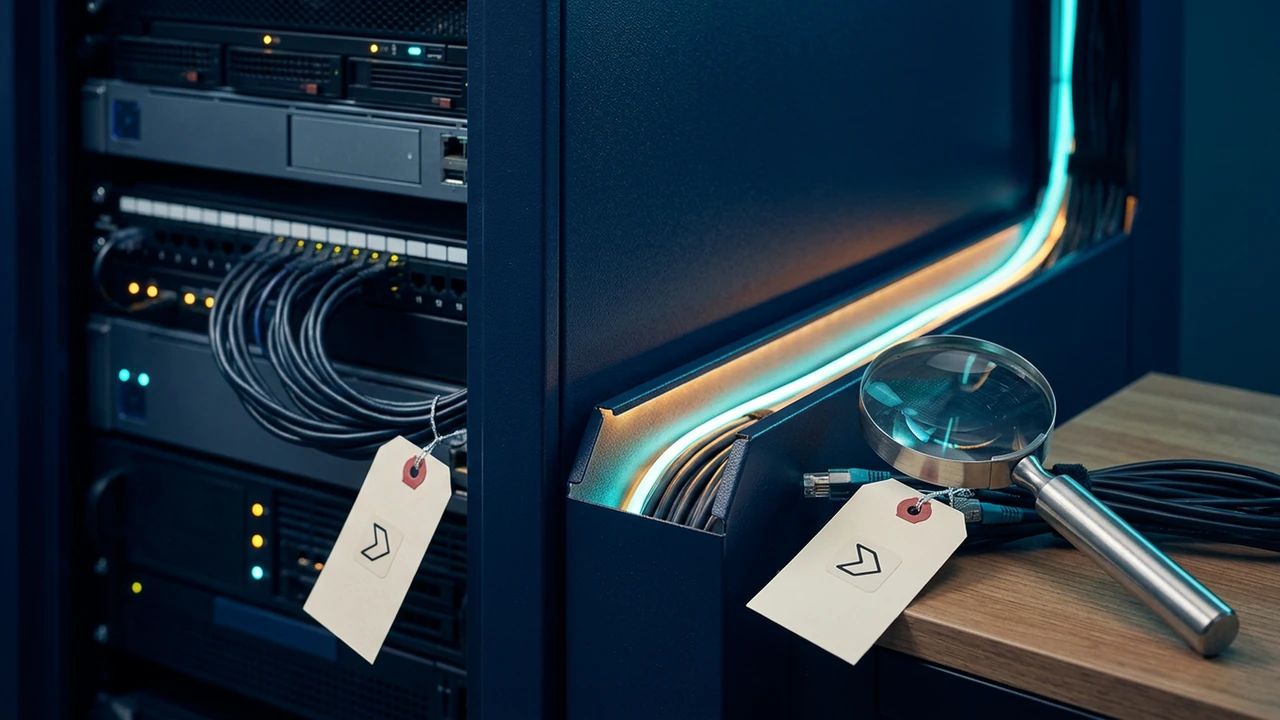
사고가 발생하면 현재 상태와 다음 주인을 빠르게 인지해야 합니다. 비디오를 사용하면 첫 번째 응답을 더 쉽게 따라갈 수 있습니다. Runbook은 여전히 전체 절차와 에스컬레이션 정책을 소유합니다.
Teach the first response, not every incident detail
An operations video is useful when it helps a viewer identify the trigger, collect the right evidence, choose the normal route, and know when to hand off. It should not replace privileged dashboards, access controls, incident logs, or the current runbook.
Copy this IT runbook video template
- Trigger: What symptom or alert starts this workflow?
- State check: What does the first owner need to observe or confirm?
- Evidence package: Which identifier, time window, log, or screenshot belongs in the handoff?
- Normal route: What is the safe first action when the condition is confirmed?
- Decision boundary: What condition changes the route or requires escalation?
- Next owner: Who receives the handoff, and what do they need?
- Source of truth: Where is the current runbook and incident policy?
Make the operational boundary visible
Use a simple state-to-route diagram: observe, assess, route, hand off. Avoid a fake dashboard or a long list of commands. The viewer should leave knowing what to check first and when not to continue alone.
Review before sharing
Ask the runbook owner to verify terminology, trigger conditions, escalation paths, and any information that must remain access-controlled. When the runbook changes, update the visual sequence around the changed decision rather than reciting the entire document again.
The IT incident triage case demonstrates a source-led triage and handoff path. Use a current URL or technical document when the runbook and viewer role are ready.
출처 지원 사례
이 작업이 어떻게 비디오가 되는지 확인하십시오.
FAQ