Leitfaden zur Vorbereitung der Dokument-zu-Video-Quelle
Veröffentlicht 1. Aug. 2026 durch Xinwei
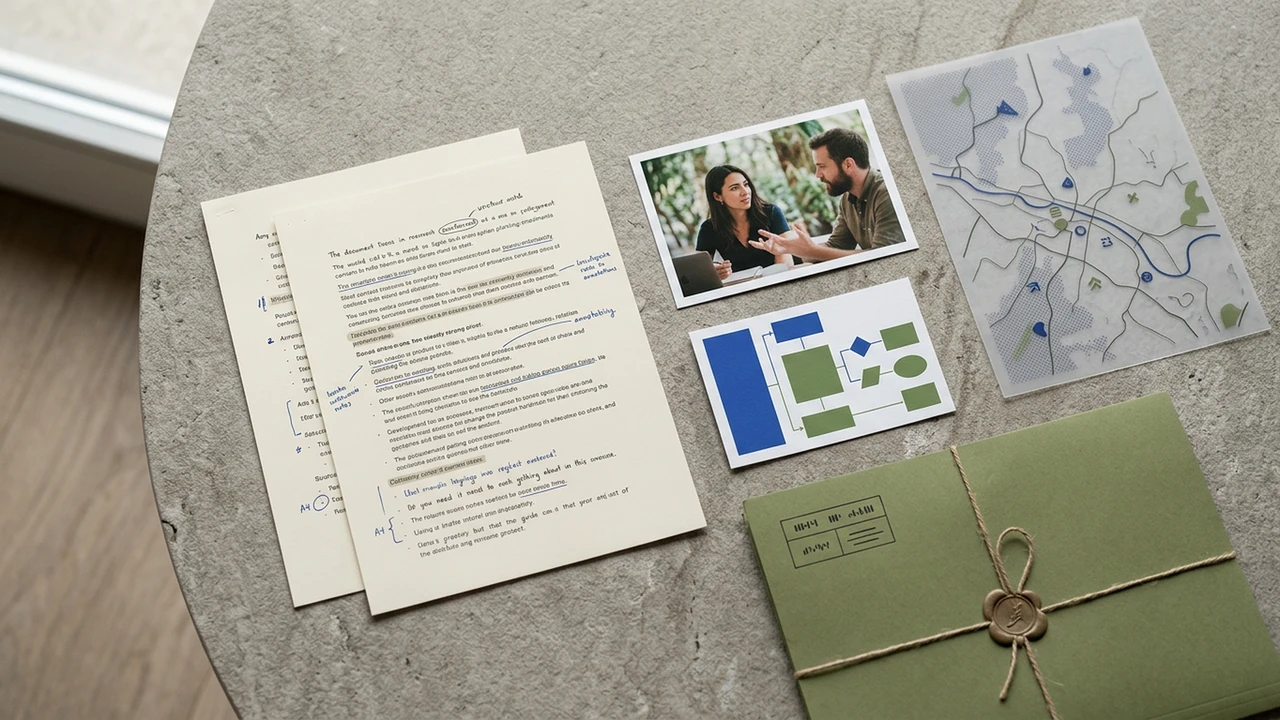
Ein nützliches Quellpaket sagt einem Ersteller, was aktuell ist, was genau bleiben muss und was der Betrachter sehen muss. Es ist wertvoller als eine lange Eingabeaufforderung voller unstrukturierter Hintergrundinformationen.
Build a small source package, not a pile of files
Before making a document-to-video explainer, collect the materials that establish the actual question, the current facts, and the visual evidence. A PDF, Word file, public URL, image, spreadsheet, or PPT can all be useful when each has a clear purpose.
Copy this source-to-video handoff sheet
The one outcome
- Viewer: ______________________________
- After viewing, they should understand, decide, or do: ______________________________
- Where or when they will watch: ______________________________
The source package
| Source | Link or attachment | Version or date | Owner | What it supports |
|---|---|---|---|---|
| Primary document | The core explanation | |||
| Supporting reference | A fact, definition, or comparison | |||
| Current job aid or public URL | The next action or latest detail | |||
| Diagram, image, or chart | What the viewer must be able to inspect |
What must remain true
- Required terminology or labels: ______________________________
- Numbers, thresholds, units, dates, or URLs to check: ______________________________
- Prerequisites, warnings, or exclusions: ______________________________
- Required sequence or decision boundary: ______________________________
- Information that should stay in the canonical source instead of the video: ______________________________
Match the visual to the job
- Use a diagram or component map for relationships and dependencies.
- Use a process flow for a sequence that changes state.
- Use a decision tree when normal and exception paths differ.
- Use a chart when one comparison or trend needs to be read.
- Use a real object, document crop, or interface state when a visual detail changes the next action.
Before you create
Remove duplicate drafts, label the current source, and separate private or access-controlled material from anything intended for a public explanation. Write one sentence about the viewer outcome; it will make the resulting narrative more specific than a generic request to “summarize this document.”
For a source-led public example, see the Riverford Recycling Guide. Start with a document, PDF, Word file, or URL when your source package is ready.
Quellengestützte Fälle
Sehen Sie, wie aus dieser Aufgabe ein Video wird
FAQ