Modello video dei risultati della ricerca
Pubblicato 3 ago 2026 di Xinwei
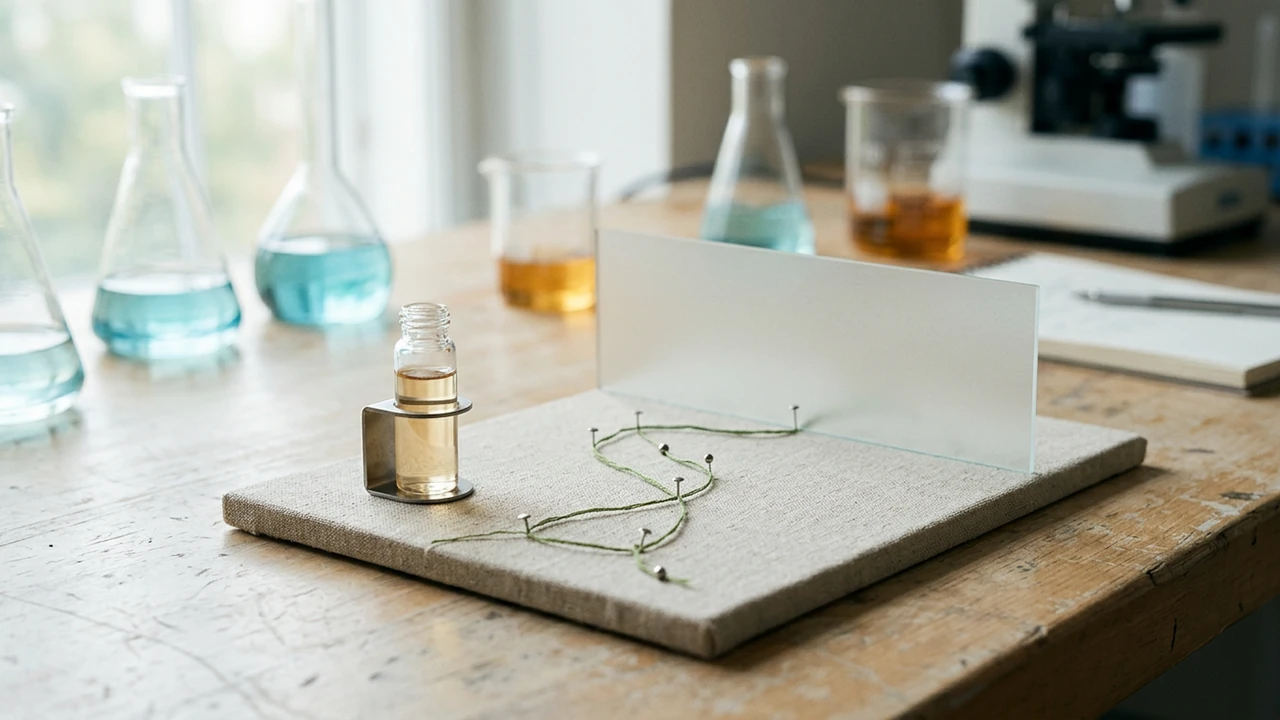
Un video di ricerca è utile quando preserva il collegamento tra la domanda, le prove e l'interpretazione. Dovrebbe aiutare chi osserva a comprendere la scoperta senza considerare una figura, un'associazione o un risultato pilota come una conclusione universale.
Build the video around the study’s actual claim
Choose one research question rather than summarising an entire paper. State what was studied, how the evidence was collected, what the result shows, and what remains uncertain. The paper, dataset, figure notes, and methods stay available for anyone who needs the complete record.
| Beat | Viewer question | Source evidence to show | Boundary to preserve |
|---|---|---|---|
| 1. Question | What was investigated? | Research question or study context | Population and setting |
| 2. Method | How was it examined? | Design, observation, or comparison | Sample and method limits |
| 3. Finding | What pattern was observed? | One chart, table, or visual result | Units, baseline, and uncertainty |
| 4. Interpretation | What may this mean? | Authors’ stated interpretation | Correlation, scope, and alternatives |
| 5. Next step | What should the viewer do with it? | Citation or follow-up question | Full paper remains the source |
Copy this research findings brief
- Research question and intended audience: ______________________________
- Paper, report, or figure that is the source of record: ______________________________
- Study setting, period, and comparison: ______________________________
- One finding the video can show accurately: ______________________________
- Limitation, uncertainty, or non-conclusion to keep visible: ______________________________
- Citation or source viewers should consult next: ______________________________
Separate finding from interpretation
Show the result before explaining why it may matter. If a source reports an association, say that it is an association. If a result depends on a particular sample or setting, name that context. These boundaries make the video more useful to serious viewers because they can see what the source supports and where to read further.
See the indoor air sensor study case for an evidence-led visual explanation. Start from a research paper or study source when the question and figure are ready.
I casi sostenuti da fonti
Vedi come questa funzione diventa un video
FAQ